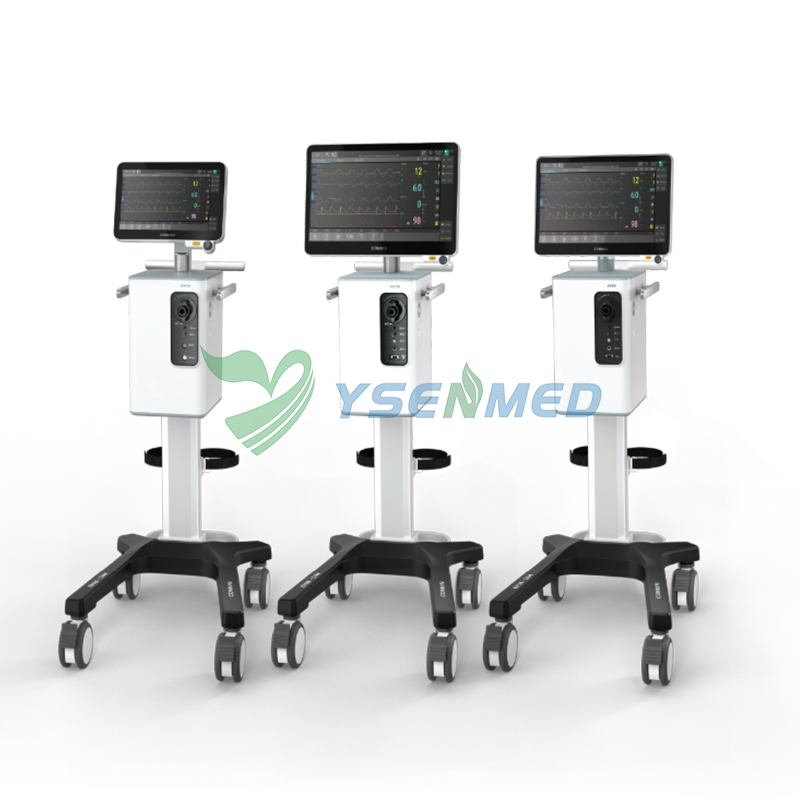
Selecting reliable operating room equipment is essential for hospitals, surgical centers, and healthcare projects across Africa. Core items such as ventilators, anesthesia systems, surgical lights, tables, and monitoring devices directly affect patient safety and surgical outcomes. Procurement teams, clinic managers, distributors, and government project officers need equipment that performs consistently under local power conditions, offers durable construction, and comes with practical training and service support.
This guide explains the role of key operating room equipment (with particular attention to ventilators), the main types available, critical selection factors, cost influences, and how to evaluate suppliers. It is written to help African hospital buyers and medical equipment distributors make informed decisions before requesting quotations.
Operating room equipment refers to the medical devices and systems used inside surgical theaters to support safe anesthesia, patient ventilation, monitoring, positioning, and procedural visibility. Among the most critical items are ventilators (often integrated with anesthesia machines), surgical tables, operating lights, electrosurgical units, and patient monitors.
Ventilators in the operating room deliver controlled breathing support during general anesthesia and for patients who cannot maintain adequate respiration. Modern OR ventilators typically offer multiple ventilation modes, precise volume or pressure control, and integration with anesthesia delivery systems. Other equipment works together to create a functional surgical environment.
For many African hospitals expanding surgical capacity or upgrading existing theaters, a well-chosen set of operating room equipment improves workflow reliability and patient care standards.
How Ventilators and Related OR Systems Work
In the operating room, a ventilator (frequently part of an anesthesia workstation) takes over or assists the patient’s breathing. It delivers a controlled mixture of oxygen and anesthetic gases, regulates tidal volume or pressure, and monitors exhaled gases and airway pressures.
Sensors track key parameters and alarm thresholds help staff respond quickly to changes. Surgical tables allow precise patient positioning, while lights provide shadow-free illumination. Monitoring systems display vital signs in real time. All these elements must function reliably throughout procedures that can last several hours.
Mobile or compact ventilators may also serve recovery areas or transfer situations within the hospital.
Main Applications of Operating Room Equipment
Operating room equipment supports a range of clinical settings:
- General and specialized surgical theaters performing elective and emergency procedures
- Anesthesia induction and recovery areas
- Hybrid operating rooms combining imaging and surgery
- Day-surgery units and smaller surgical suites
- Teaching hospitals training new surgical and anesthesia teams
- Facilities handling trauma, obstetrics, and pediatric cases
In many African hospitals a core package of reliable ventilators, tables, lights, and monitors forms the foundation of safe surgical services.
Key Features to Consider
When evaluating operating room equipment, procurement teams should prioritize factors that affect daily performance and long-term usability:
- Ventilation performance and available modes (volume control, pressure control, spontaneous breathing support)
- Ease of use and clear user interfaces for anesthesia and nursing staff
- Compatibility between ventilators, anesthesia machines, and monitoring systems
- Power requirements and ability to operate with backup or variable supply
- Durability of mechanical components and resistance to frequent cleaning
- Availability of consumables and spare parts
- Training programs for clinical and technical staff
- Warranty terms and after-sales service response
- Installation requirements and room preparation needs
- Compliance with relevant safety and quality expectations
Buyers should request current technical documentation and confirm that equipment meets local regulatory expectations. Requirements may differ by country and should be verified with the supplier and competent authorities.
Types of Operating Room Equipment
| Type |
Main Application |
Key Advantages |
Suitable Buyers |
| Anesthesia ventilators / workstations |
General and specialized surgery |
Integrated gas delivery and ventilation |
Full surgical theaters |
| Stand-alone or transport ventilators |
Recovery, transfer, backup |
Flexibility and mobility |
Hospitals needing versatile support |
| Surgical tables |
Patient positioning during procedures |
Adjustability and stability |
All operating rooms |
| Operating lights |
Illumination of surgical field |
Shadow reduction and adjustable intensity |
Surgical suites of all sizes |
| Patient monitors |
Continuous vital-sign display |
Real-time data and alarm management |
Operating and recovery areas |
A balanced package often combines a reliable ventilator/anesthesia system with supporting tables, lights, and monitors matched to the hospital’s surgical volume and case mix.
How to Choose the Right Operating Room Equipment
Practical steps for African hospital buyers and distributors:
- Define the surgical case mix and expected daily volume.
- Assess available space, electrical supply stability, and oxygen infrastructure.
- Calculate total cost of ownership, including installation, training, consumables, and spare parts.
- Confirm the supplier’s experience exporting to African ports and providing documentation.
- Request detailed specifications and configuration options for ventilators and complementary equipment.
- Clarify warranty coverage, service response expectations, and parts availability.
- Evaluate training programs for anesthetists, surgeons, nurses, and biomedical technicians.
- For government tenders or multi-hospital projects, prefer suppliers able to coordinate complete documentation and installation support.
Distributors should also review product consistency and possible OEM arrangements.
Price and Cost Factors
Exact prices depend on configuration, technology level, accessories, and destination country. There is no single standard figure. Major cost drivers include:
- Ventilator and anesthesia system sophistication
- Integration of monitoring and gas analysis
- Surgical table and lighting specifications
- Software features and connectivity
- Installation and room adaptation
- Training packages
- Warranty length and service contracts
- Shipping, insurance, import duties, and local taxes
When requesting quotations, provide information on intended surgical volume, available power and gas supply, preferred equipment package, and delivery timeline. Clear details help suppliers recommend appropriate configurations and avoid mismatched proposals.
Why Consider Medical Equipment from China?
China supplies a wide range of operating room equipment to international markets. Practical advantages frequently noted by buyers include:
- Broad product selection covering ventilators, tables, lights, and monitors
- Competitive pricing that supports limited hospital budgets
- Manufacturing capacity for both single units and larger project orders
- Flexibility for configuration adjustments and OEM options
- Experience with export packaging, documentation, and international logistics
These points are valuable only when the individual supplier maintains consistent quality systems and reliable after-sales support. Each supplier should be assessed independently.
Choosing a Reliable Manufacturer or Supplier
A reliable supplier typically demonstrates:
- Documented quality management processes
- Clear product documentation and safety information
- Experience exporting medical equipment to African markets
- Ability to support installation guidance or commissioning
- Structured training resources
- Transparent communication on lead times and spare parts
- Willingness to recommend equipment matched to actual clinical needs
YSENMED operates as a professional medical equipment supplier from China, providing operating room equipment including ventilators and related hospital systems to international distributors, hospitals, clinics, and healthcare projects. The focus is on matching configurations to buyer requirements and supporting export logistics, training coordination, and after-sales communication. Buyers should request current specifications and support details directly.
As a medical equipment supplier serving overseas markets, YSENMED offers operating room equipment solutions suitable for hospitals and surgical centers across Africa. Configurations are selected to address practical requirements such as straightforward operation, durable construction, and coordinated installation and training support.
Distributors and hospital procurement teams can discuss surgical volume, site conditions, and budget parameters so that appropriate ventilator systems and complementary equipment are recommended. YSENMED supports international shipping arrangements and works with partners on local training and spare-parts coordination where feasible.
Conclusion
Selecting operating room equipment requires careful attention to clinical needs, site infrastructure, total cost of ownership, and long-term service capability. Ventilators and supporting systems form the core of safe surgical care, yet the right choice still depends on case volume, power reliability, staff readiness, and accessible support.
Hospital buyers, clinics, diagnostic centers, and medical equipment distributors across Africa benefit from clear specifications, realistic configuration advice, and suppliers prepared to handle export, installation, and training. Performance reliability, ease of use, durability, and after-sales arrangements should guide the final decision.
If you are planning a hospital project or looking for a reliable medical equipment supplier, you can contact YSENMED for product specifications, configuration recommendations, and quotation information.