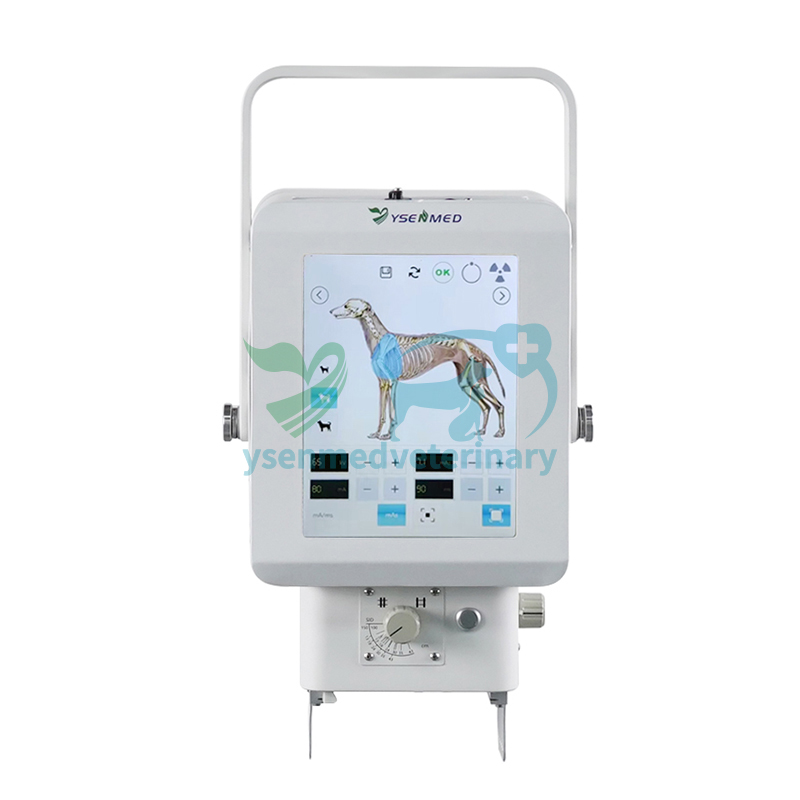
The transition from analog film to digital X-ray for equine practitioners has revolutionized field diagnostics, delivering instant high-resolution images that eliminate darkrooms, hazardous chemicals, and costly film processing. In 2026, this shift is no longer optional for equine veterinarians, clinic owners, and large animal practitioners operating across the diverse terrains of Africa, Southeast Asia, and South America. Whether navigating dusty savannas in Kenya, humid rice paddies in Vietnam, or remote ranches in Brazil, digital X-ray for equine practitioners addresses the core pain points of unreliable power grids and the need for true portability. Modern Direct Radiography (DR) systems now combine lightweight wireless panels, battery-powered generators, and rugged designs built specifically for the demands of equine work—where a single delayed diagnosis can mean lost revenue or compromised horse welfare.
This comprehensive buyer’s guide equips you with the knowledge to select a system that maximizes ROI, withstands harsh field conditions, and scales with your practice. We focus on practical, region-specific realities: power fluctuations that render grid-dependent units useless, the need for equipment that fits in a pickup truck or on a motorcycle, and the ability to perform more pre-purchase exams or lameness evaluations per day without sacrificing image quality.
Section 1: Why Equine Practice Demands Specific DR Solutions
Equine radiography presents unique challenges that generic “human” or small-animal X-ray units simply cannot handle. Horses are large, unpredictable, and often examined outdoors or in dusty stables where environmental factors accelerate equipment failure. A 500 kg stallion reacting to a sudden noise can send a panel flying—demanding drop-test ratings far beyond those of clinic-bound systems. Outdoor work in tropical heat, monsoon rains, or arid dust storms requires IP65+ dust and water resistance, temperature stability from -10°C to +50°C, and battery operation that survives full-day mobile clinics without recharging.
“Human” or small-animal units frequently fail here because they lack the kVp/mAs output needed for thick equine limbs or spines, offer poor wireless range in open fields, and use fragile glass-based panels prone to cracking. In contrast, equine-specific DR systems prioritize wireless panels with reinforced carbon-fiber housings, hybrid power options (battery + AC fallback), and software optimized for large-animal anatomy. For practitioners in emerging markets, these features translate directly to fewer service calls, lower downtime, and the ability to serve remote clients who cannot travel to urban clinics. The result? Faster diagnoses, reduced radiation exposure to staff and horses, and the confidence to expand services like on-farm pre-purchase exams that generate premium revenue.
Section 2: Core Components of an Equine DR System
A complete digital X-ray for equine practitioners system comprises three interdependent components: the portable generator, the DR detector (panel), and specialized software. Understanding their technical specifications is essential for long-term performance in the field.
Portable Generators: In 2026, the best units deliver 1.6–2 kW output in lightweight packages under 18 lbs (8 kg). Look for kVp ranges of 40–125 kV and mAs output up to 32–100 mAs to penetrate thick musculature without motion blur. Battery life has improved dramatically—expect 150–450 exposures per charge or 4–8+ hours of standby, with rapid recharge via solar-compatible inverters for off-grid regions. Hybrid technology (battery + mains power) is critical in areas with unstable electricity; units like those from leading manufacturers now switch seamlessly, preventing workflow interruptions. Weight matters: sub-15 lb models fit easily in saddlebags or ATV racks, while higher-output 5 kW systems suit surgery-center backups.
DR Detectors (Panels): Size options include 10×12 inch (ideal for distal limbs and feet) and 14×17 inch (versatile for stifles and spines). The scintillator material is the heart of image quality. Cesium Iodide (CsI) panels offer superior DQE (Detective Quantum Efficiency)—up to 70%—producing sharper images at 10% lower radiation dose than Gadox (GOS) alternatives. CsI excels in low-light field conditions and reduces motion artifacts from restless horses, though it costs 20–30% more. Gadox remains a budget-friendly choice with excellent durability in extreme temperatures and sufficient quality for routine exams. Both should feature 16-bit grayscale for 65,000+ shades of gray, wireless range of 30–50 meters (line-of-sight), and drop-test ratings of 1–1.5 meters onto concrete. Premium panels now use glass-free TFT technology for added ruggedness.
Software: Equine-specific platforms include anatomical presets for carpus, fetlock, spine, and skull, plus automated stitching algorithms that combine multiple exposures into seamless full-limb or spinal panoramas—vital for diagnosing navicular disease or cervical issues. Look for intuitive touch interfaces that work with gloved hands and integration with practice management systems for instant report generation.
Section 3: Key Features to Look for in 2026
Beyond basics, 2026 systems incorporate smart technologies tailored to field realities:
- AI-assisted image optimization: Algorithms automatically correct for exposure variations, reduce noise, and highlight subtle fractures or soft-tissue lesions—reducing retakes by up to 40% and saving time in dusty, variable-light environments.
- Cloud-based PACS: Secure, instant sharing of images with farriers, remote radiologists, or referral centers via mobile data. In regions with spotty internet, offline caching followed by auto-sync ensures no data loss.
- Extreme weather durability: Seek IP67-rated panels (dust-tight and submersible up to 1 m for 30 minutes) and operating ranges covering -10°C to +50°C. Reinforced edges and scratch-resistant finishes withstand stable kicks and transport abuse.
These features directly support ROI by enabling more exams per day and minimizing costly repairs.
Section 4: Economic Impact and ROI (Crucial for Africa/South America)
In emerging markets, upfront costs of digital X-ray for equine practitioners systems ($25,000–$50,000) are quickly offset by dramatic savings. Traditional film systems incur $15,000–$25,000 annually in film, chemicals, and darkroom maintenance for a mid-volume practice. DR eliminates these entirely while slashing processing time from minutes to seconds.
A solo practitioner in rural South America can now complete 8–12 pre-purchase exams daily instead of 4–6, adding thousands in monthly revenue. Faster throughput means more lameness workups, dental evaluations, and emergency imaging—services that command premium fees. Studies show full ROI within 18–36 months, often sooner in high-volume mobile practices. Battery-powered portability eliminates transport costs to centralized clinics, while lower radiation dose reduces long-term health risks and regulatory compliance expenses. In power-unstable regions, hybrid systems prevent lost billable days.
Section 5: Maintenance and Logistics in Emerging Markets
Choose manufacturers offering remote diagnostic support via cloud connectivity, firmware updates, and modular parts replaceable by local technicians. Extended warranties (3–5 years) with loaner panels during repairs are essential. Look for global distributors with service hubs in Johannesburg, Bangkok, or São Paulo to minimize shipping delays. Rugged designs with fewer moving parts and self-calibrating software reduce annual maintenance to under 2% of system cost—far below film systems.
Section 6: Top Product Recommendations
Best for Solo Mobile Vets: The Momentum-EQ All-in-One System from 20/20 Imaging stands out. Its 10×12 CsI wireless panel weighs just 4 lbs with holder, delivers >150 images per 4-hour charge, and pairs with a lightweight hybrid generator (under 16 lbs). IP-rated durability and equine-specific stitching make it ideal for African bush calls or Southeast Asian farm visits.
Best for Surgery Centers: Sound NEXT Equine DR or Radmedix Acuity DR Go offers 14×17 panels, high-output generators (up to 2 kW), and robust workstations with IP65 ratings. These excel in mixed in-clinic/field use with advanced AI optimization and cloud PACS integration.
Best Budget-Friendly Upgrade: Entry-level Gadox-based systems like certain VUE Imaging or generic 10×12 wireless kits provide solid 16-bit imaging and 4+ hour battery life at 20–30% lower cost—perfect for practices transitioning from CR or film in cost-sensitive South American markets.
| Feature |
Portable Systems |
Stationary Systems |
| Weight |
14–18 lbs (generator + panel) |
500+ lbs (fixed installation) |
| Power Source |
Battery + hybrid AC (4–8+ hrs) |
Mains power only |
| kVp/mAs Output |
40–125 kV / 0.4–100 mAs |
Higher (up to 150 kV / 500+ mAs) |
| Best For |
Field calls, remote areas |
High-volume clinic/surgery suites |
| Durability |
IP67, drop-tested, weatherproof |
Less emphasis; clinic-controlled |
| Setup Time |
<5 minutes |
Fixed installation |
| ROI Focus |
Increased mobile exams/day |
High-throughput in-house diagnostics |
Section 7: Conclusion and Final Checklist
The future of digital X-ray for equine practitioners lies in even smarter integration: tighter AI diagnostics, longer battery life, and seamless telemedicine. For practitioners in Africa, Southeast Asia, and South America, investing now means gaining a competitive edge through faster, safer, more profitable care.
Final Buyer’s Checklist:
- Verify CsI or Gadox scintillator matches your volume and budget.
- Confirm IP65+ rating, drop resistance, and -10°C to +50°C operation.
- Test wireless range and hybrid generator battery life in real conditions.
- Ensure equine-specific presets, stitching, and AI optimization.
- Confirm regional service support and 3+ year warranty.
- Calculate ROI based on your current exam volume and film costs.
- Request on-site demos with your actual horses.
Select the right digital X-ray for equine practitioners system, and you’ll transform challenges into opportunities—delivering superior care while building a thriving, future-proof practice. Contact reputable distributors today for tailored quotes suited to your region.