Exploring the Different Types of X-Ray Machines and Their Applications
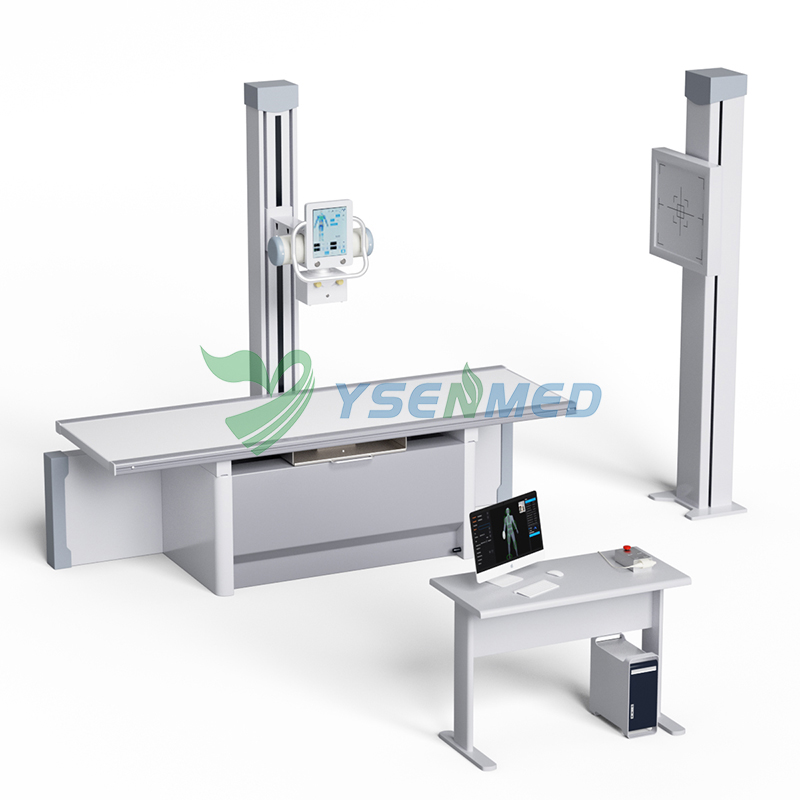
X-ray machine have long been an essential part of modern medical diagnostics. From detecting bone fractures to diagnosing complex conditions like pneumonia or cancer, X-ray imaging machine are crucial in providing doctors with the information they need to offer accurate diagnoses and treatments. This article explores the various types of X-ray machine, their applications, and the common issues encountered when using them in clinics and hospitals.
Types of X-Ray Machine and Their Applications
X-ray machines can be categorized based on their design, functionality, and application. These machines play a pivotal role in radiology and medical diagnostics, but understanding their differences is important to ensure their effective use.
1. Portable X-Ray Machine
Portable X-ray machine have become increasingly popular in hospitals, clinics, and even home care settings. These machines are designed to be compact, lightweight, and easy to transport. They offer significant flexibility, allowing healthcare providers to conduct imaging at the patient's bedside, which is particularly useful in emergency care or for patients with mobility issues.
Applications of Portable X-Ray Machines:
- Emergency Care: Ideal for quickly assessing trauma patients in emergency rooms or on-site in accident situations.
- Critical Care: Useful in ICU units where patients are unable to be moved.
- Home Healthcare: Allows for in-home diagnostics for patients who cannot visit medical facilities.
Common Problems and Solutions:
- Limited Imaging Quality: Portable machines may have lower resolution than their stationary counterparts.
- Solution: Invest in high-quality portable X-ray machines with enhanced digital features that provide clearer images without compromising mobility.
- Battery Life and Power Issues: The mobility of portable X-ray machines depends on their battery life, which can affect their usability.
- Solution: Always check the battery status before use and ensure that proper charging equipment is available for extended shifts.
2. Digital X-Ray Machines
Digital X-ray machines have revolutionized radiology by replacing traditional film-based imaging with digital detectors. These systems allow for faster image processing and storage, which significantly improves workflow efficiency in hospitals and clinics.
Applications of Digital X-Ray Machines:
- Routine Diagnostics: Used for standard imaging purposes like bone fractures, joint issues, and dental exams.
- Advanced Imaging: Digital systems are essential in detecting conditions like pneumonia, tumors, and certain heart diseases.
Benefits of Digital X-Ray Systems:
- Faster Imaging: Digital X-rays can produce images in seconds, reducing wait times for patients.
- Better Image Quality: The digital technology offers superior image clarity, which enhances diagnostic accuracy.
- Reduced Radiation: Compared to traditional X-ray machines, digital systems require less radiation to obtain a clear image, improving patient safety.
Common Problems and Solutions:
-
Software Compatibility Issues: Digital X-ray machines may experience issues when interfacing with hospital information systems.
- Solution: Regularly update software and ensure compatibility with the institution’s digital records system to minimize downtime.
-
Image Noise: While digital X-ray systems offer high resolution, image noise can occur, especially with low radiation exposure settings.
- Solution: Use higher-quality detectors and optimize exposure settings for the best balance between image quality and radiation safety.
3. Medical X-Ray Equipment
Medical X-ray equipment encompasses a broad range of devices used for diagnostic imaging. These machines are typically designed for stationary use in radiology departments or clinics. They are essential for a variety of diagnostic procedures, including chest X-rays, mammography, and bone imaging.
Applications of Medical X-Ray Equipment:
- Chest X-Rays: Commonly used to diagnose lung infections, heart conditions, and other chest-related issues.
- Mammography: Specialized X-ray machine used for breast cancer screening.
- Orthopedic Imaging: Crucial for diagnosing bone fractures, joint problems, and other musculoskeletal issues.
Common Problems and Solutions:
-
Maintenance Issues: Regular maintenance is critical to ensure that medical X-ray machines function efficiently. Failure to maintain the machine can result in poor image quality or mechanical failures.
- Solution: Follow a regular maintenance schedule and address any technical issues promptly to prevent unexpected breakdowns.
-
Exposure to Radiation: Medical X-ray machines require careful control of radiation exposure to ensure patient safety.
- Solution: Follow X-ray safety protocols rigorously, ensuring that radiation is minimized while still obtaining high-quality images.
4. X-Ray Machine for Diagnostics
An X-ray machine for diagnostics refers to any X-ray system used to identify various medical conditions. These machines can either be traditional film-based systems or digital units. The primary role of these machines is to provide internal images of the body, helping healthcare providers diagnose conditions like bone fractures, infections, and cancers.
Applications of X-Ray Machines for Diagnostics:
- Trauma Diagnosis: Commonly used in emergency rooms to quickly diagnose bone fractures and internal injuries.
- Cancer Detection: Vital in diagnosing various types of cancers, particularly lung, breast, and bone cancers.
Common Problems and Solutions:
-
Inefficient Image Storage: Storing large volumes of X-ray images can be cumbersome, especially for film-based systems.
- Solution: Transition to digital X-ray systems that allow for easier storage, sharing, and retrieval of images.
-
Slow Processing Time: Traditional X-ray systems can have a slower processing time, leading to delays in diagnosis.
- Solution: Upgrade to more advanced medical X-ray equipment with faster processing capabilities.
X-Ray Safety Protocols
Regardless of the type of X-ray machine being used, safety is paramount. X-ray machine features should always include built-in safety measures to minimize radiation exposure to both patients and healthcare professionals.
1. Protective Gear for Patients
- Lead aprons and thyroid shields should be used to protect the patient from unnecessary radiation exposure, particularly in sensitive areas.
2. Radiation Monitoring for Staff
- Healthcare staff working in radiology departments should regularly use radiation badges to monitor their exposure levels. This is crucial for preventing long-term health risks.
3. Proper Calibration and Maintenance
- X-ray machine calibration techniques should be performed regularly to ensure that the equipment is functioning at optimal levels and delivering the correct amount of radiation.
Comparing X-Ray Machine Brands
When selecting X-ray imaging machines, it's important to consider factors such as reliability, image quality, ease of use, and cost-effectiveness. Various brands offer different models with unique features, so comparing X-ray machine brands can help clinics and hospitals find the best fit for their needs.
1. GE Healthcare
- Known for producing high-performance X-ray systems with advanced imaging technology and reliable customer support.
2. Philips Healthcare
- Offers a wide range of digital X-ray machine that focus on speed, efficiency, and minimal radiation exposure.
3. Siemens Healthineers
- Offers medical X-ray equipment with superior image quality and innovative features designed for both diagnostic and therapeutic applications.
Conclusion
X-ray machines remain an essential tool in modern medicine, providing critical diagnostic information that can save lives. By understanding the various types of X-ray imaging machines, their applications, and the common problems encountered, clinics and hospitals can make informed decisions about their radiology equipment.
To maximize the effectiveness and safety of X-ray machine, it's crucial to follow X-ray safety protocols, invest in high-quality X-ray equipment, and ensure proper maintenance and calibration. Regular updates and system checks can prevent common issues, such as poor image quality or mechanical failures, and allow for efficient, safe diagnostics that benefit both patients and healthcare professionals.