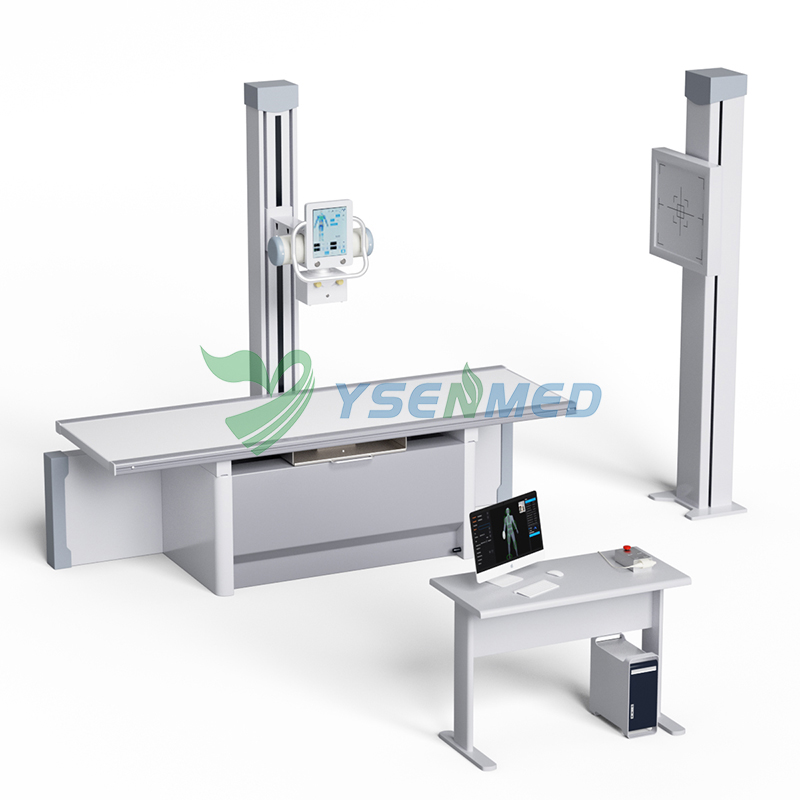
Hospitals and clinics worldwide face critical decisions when upgrading diagnostic capabilities, and understanding x ray machine cost for hospital remains a top priority for procurement teams. As healthcare facilities expand services to meet growing patient demands, selecting the right radiography equipment directly impacts operational efficiency, patient outcomes, and long-term budget planning. Moreover, factors such as technology type, installation requirements, and maintenance needs influence the overall investment. In this comprehensive guide, we explore every aspect of hospital X ray machine price considerations to help decision-makers choose solutions that deliver lasting value.
Ysenmed, a trusted provider of medical imaging solutions, offers a range of reliable systems designed specifically for hospital environments. Their equipment combines advanced performance with practical features that address real-world clinical needs.
Understanding the Landscape of Hospital Radiology Equipment Pricing
Healthcare administrators must navigate complex choices when evaluating medical X ray machine cost. Transitioning to modern systems provides clearer images and faster workflows. However, the decision involves more than initial acquisition. Furthermore, total ownership costs encompass training, infrastructure upgrades, and ongoing support.
Digital X ray system cost for hospitals often reflects advancements in detector technology and software integration. For instance, facilities benefit from reduced retake rates and lower radiation exposure, which enhance safety protocols. Additionally, these systems integrate seamlessly with existing hospital information systems, streamlining data management across departments.
Several variables shape radiography equipment cost for hospitals. First, system type plays a decisive role. Fixed installations suit high-volume radiology departments, while mobile units provide flexibility for bedside imaging or emergency settings. Therefore, procurement specialists align choices with daily patient throughput and facility layout.
Detector technology represents another major consideration. Cesium iodide or gadolinium oxysulfide flat-panel detectors deliver superior image quality compared to older computed radiography options. Consequently, hospitals experience improved diagnostic confidence and fewer repeat exams. Moreover, generator power output affects penetration capabilities for diverse patient sizes and exam types.
Installation and site preparation add layers to hospital imaging system price. Ceiling-mounted systems require structural assessments, whereas portable models minimize such expenses. In addition, software features such as AI-assisted image processing further influence value propositions by reducing interpretation time.
Regional factors also impact hospital radiology equipment pricing. Supply chain dynamics, import regulations, and local service availability vary significantly. Thus, forward-thinking buyers evaluate long-term support networks alongside initial specifications.
Types of X-Ray Systems and Their Applications in Hospitals
Hospitals select from multiple configurations to match specific clinical demands. Fixed digital radiography systems excel in dedicated rooms where high throughput matters most. Meanwhile, mobile units support intensive care units and operating theaters effectively. Furthermore, C-arm systems facilitate interventional procedures with real-time imaging guidance.
Medical imaging equipment cost varies according to these specialized applications. For general radiography, standard systems handle chest, skeletal, and abdominal exams efficiently. On the other hand, specialized units for mammography or fluoroscopy incorporate additional capabilities that address niche requirements.
Ysenmed provides versatile options, including high-frequency fixed systems and mobile solutions. Their designs emphasize durability and user-friendly interfaces, which help technicians maintain productivity throughout shifts.
Hospital Budget Planning for Imaging Systems
Effective hospital budget planning for imaging systems requires a holistic view beyond purchase price. Administrators calculate total cost of ownership, including energy consumption, consumables, and staff training. Moreover, financing options such as leasing can spread expenditures while preserving capital for other priorities.
Procurement teams increasingly perform diagnostic imaging system investment analyses that project multi-year returns. For example, faster exam times allow higher patient volumes, which generate additional revenue streams. Additionally, reduced film and chemical usage in digital environments cuts ongoing operational expenses significantly.
ROI Analysis: Hospital X Ray Machine Price Breakdown and ROI Analysis
Understanding hospital x ray machine price breakdown and ROI analysis helps justify investments to stakeholders. Modern digital systems typically pay for themselves through efficiency gains and expanded services. Furthermore, lower maintenance requirements compared to analog predecessors contribute to favorable long-term economics.
Facilities report substantial benefits from decreased patient wait times and improved workflow coordination. Consequently, staff satisfaction rises while error rates decline. Moreover, integration with picture archiving and communication systems (PACS) enables remote consultations, which expand reach to underserved areas.
How much does a hospital x ray machine cost in 2026 depends on configuration details, yet value-focused procurement delivers strong returns regardless of scale. Hospitals that invest wisely often see enhanced competitive positioning through superior diagnostic capabilities.
Best Value X Ray Machine Cost for Hospital Procurement
Savvy buyers seek best value x ray machine cost for hospital procurement by balancing features with reliability. Ysenmed stands out in this regard by delivering robust performance tailored to diverse healthcare settings. Their systems incorporate high-output generators and wireless detectors that enhance mobility without compromising image quality.
When comparing options, consider service response times and parts availability. Additionally, manufacturer training programs accelerate staff proficiency and minimize disruptions during implementation. Therefore, comprehensive support packages often outweigh slightly lower upfront costs from less established suppliers.
Comparison of X-Ray System Types
The following table compares common system categories to highlight practical differences:
| System Type |
Primary Use Case |
Key Advantages |
Considerations for Hospitals |
| Fixed Digital Radiography |
Dedicated radiology rooms |
High throughput, excellent image quality |
Requires room preparation and infrastructure |
| Mobile X-Ray Units |
Bedside, ICU, emergency |
Flexibility, rapid deployment |
Battery life and maneuverability matter |
| Portable Systems |
Field or small clinics |
Lightweight, easy transport |
Suitable for lower volume or outreach |
| C-Arm Systems |
Interventional procedures |
Real-time imaging |
Specialized training needed |
This overview assists teams in matching equipment to specific operational contexts. Moreover, hybrid approaches often provide the most flexible solutions for growing facilities.
Maintenance, Training, and Long-Term Considerations
Successful implementation extends far beyond equipment delivery. Hospitals must plan for regular calibration, software updates, and preventive maintenance to maximize uptime. Furthermore, comprehensive training ensures technologists operate systems safely and efficiently from day one.
Medical X ray machine cost evaluations should always include service contracts and warranty terms. Reliable partners respond quickly to minimize downtime, which proves especially critical in high-acuity environments. Additionally, remote diagnostic capabilities in modern systems allow proactive issue resolution before problems escalate.
Regulatory compliance represents another vital area. Facilities must ensure equipment meets local radiation safety standards and data protection requirements. Consequently, choosing manufacturers with strong compliance track records simplifies accreditation processes.
Emerging Trends in Medical Imaging Equipment Cost
The industry continues evolving toward greater intelligence and connectivity. AI integration assists with image enhancement and preliminary analysis, which reduces radiologist workload. Moreover, cloud-based storage solutions facilitate seamless sharing across care networks.
Sustainability features also gain importance as hospitals pursue greener operations. Energy-efficient designs and recyclable components help control healthcare equipment procurement cost while aligning with environmental goals. Therefore, forward-looking procurement includes these considerations alongside traditional performance metrics.
Ysenmed remains at the forefront by incorporating user feedback into ongoing product development. Their commitment to innovation ensures hospitals receive solutions that address both current needs and future demands.
Practical Steps for Procurement Success
Begin by conducting a thorough needs assessment that involves radiologists, technologists, and administrators. Next, gather detailed specifications from multiple vendors to enable meaningful comparisons. Furthermore, request on-site demonstrations whenever possible to evaluate real-world performance.
Negotiate comprehensive service agreements that cover both preventive and corrective maintenance. Additionally, explore financing structures that align with budget cycles and cash flow realities. In this way, facilities secure optimal solutions without unnecessary financial strain.
Finally, establish key performance indicators to measure success after implementation. Metrics such as exam volume, report turnaround time, and equipment uptime provide objective data for future decisions. Moreover, regular reviews help identify optimization opportunities throughout the equipment lifecycle.
Why Partner with Ysenmed for Your Imaging Needs
Ysenmed delivers dependable medical X-ray solutions backed by years of industry expertise. Their product lineup includes digital systems, mobile units, and accessories designed to enhance diagnostic workflows in hospitals of all sizes. Additionally, the company emphasizes customer support and technical training that help facilities achieve maximum value from their investments.
By choosing Ysenmed, procurement teams gain access to equipment that balances performance, reliability, and practicality. Consequently, hospitals improve patient care while maintaining fiscal responsibility.
Navigating x ray machine cost for hospital requires careful analysis of clinical requirements, financial implications, and operational realities. However, informed choices lead to enhanced diagnostic capabilities and sustainable growth. Furthermore, partnering with experienced providers like Ysenmed streamlines the process and delivers superior outcomes.
This guide has covered essential aspects from initial factors affecting costs through long-term ROI considerations. Hospitals that apply these insights position themselves for success in an increasingly competitive healthcare landscape. Ultimately, the right digital X ray system cost for hospitals investment supports better patient care while strengthening institutional efficiency.